


 Add Category
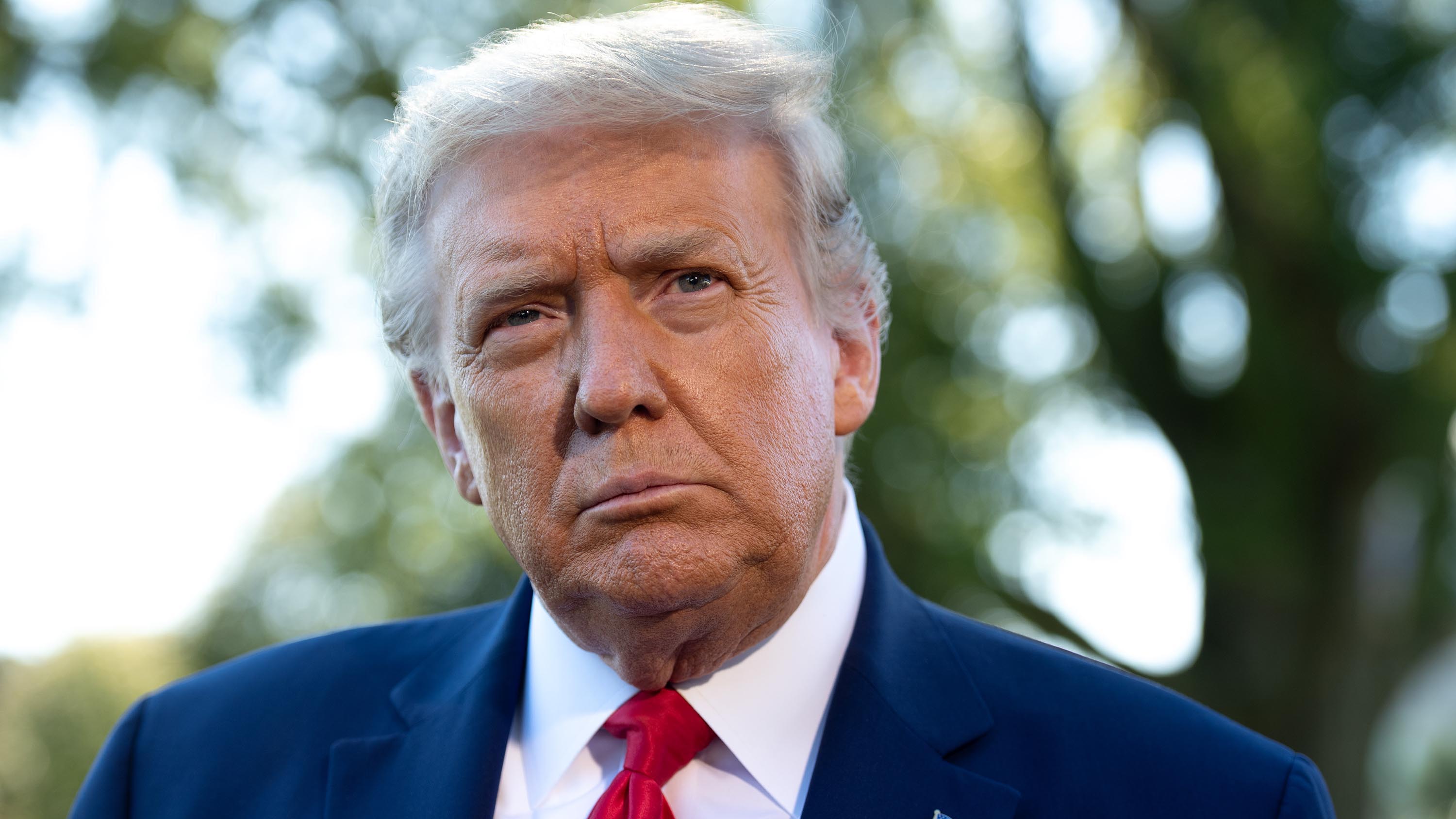
Former President Trump's defense team showed a video montage of various Democratic lawmakers using the word "fight" at various events, including election campaigns and in media interviews.
His attorneys are trying to make the case that Trump's language on Jan. 6 telling his supporters to "fight like hell" was merely "ordinary political rhetoric," and that the House impeachment managers ignored Trump's comments in his speech for protesters to remain peaceful. You can read Trump's whole Jan. 6 speech here.
While it's common for lawmakers to use fiery language, the charge against the former President is that he "incited" violence – and not just violence in general, but "against the Government of the United States."
The single article of impeachment passed by the House in January reads, in part: "Donald John Trump engaged in high Crimes and Misdemeanors by inciting violence against the Government of the United States." Read the whole thing here.
The allegation of "incitement" is key to the impeachment case House Democrats are making against Trump because it ties his words and actions to the Jan. 6 insurrection on Capitol Hill.
House impeachment managers devoted most of their presentation this week to the results, airing graphic video footage and audio from the attack on the Capitol — which put members of the Senate, who will vote on the charges, personally at risk.
But what is incitement, exactly? The dictionary definition of "incite," according to Merriam-Webster, is simple: "to move to action : stir up : spur on : urge on." Trump clearly did that, when he directed his supporters to march toward Capitol Hill from a rally held under the "Stop the Steal" banner.
But there's a much more detailed definition in US law, which is:
"...the term 'to incite a riot', or 'to organize, promote, encourage, participate in, or carry on a riot", includes, but is not limited to, urging or instigating other persons to riot, but shall not be deemed to mean the mere oral or written (1) advocacy of ideas or (2) expression of belief, not involving advocacy of any act or acts of violence or assertion of the rightness of, or the right to commit, any such act or acts."
Federal courts said Trump did not incite a mob back in 2016 when he told supporters to turn on protesters, who later sued the President.
The New York Times has a thorough examination of how courts have looked upon "incitement." Read that here.