


 Add Category
Question: I’ve started getting emails from colleagues and clients that include what are clearly statements of fact or pronouncements, but which end with a question mark.
I’ve never noticed this before and wonder what’s happening here. Am I missing a new communication trend?
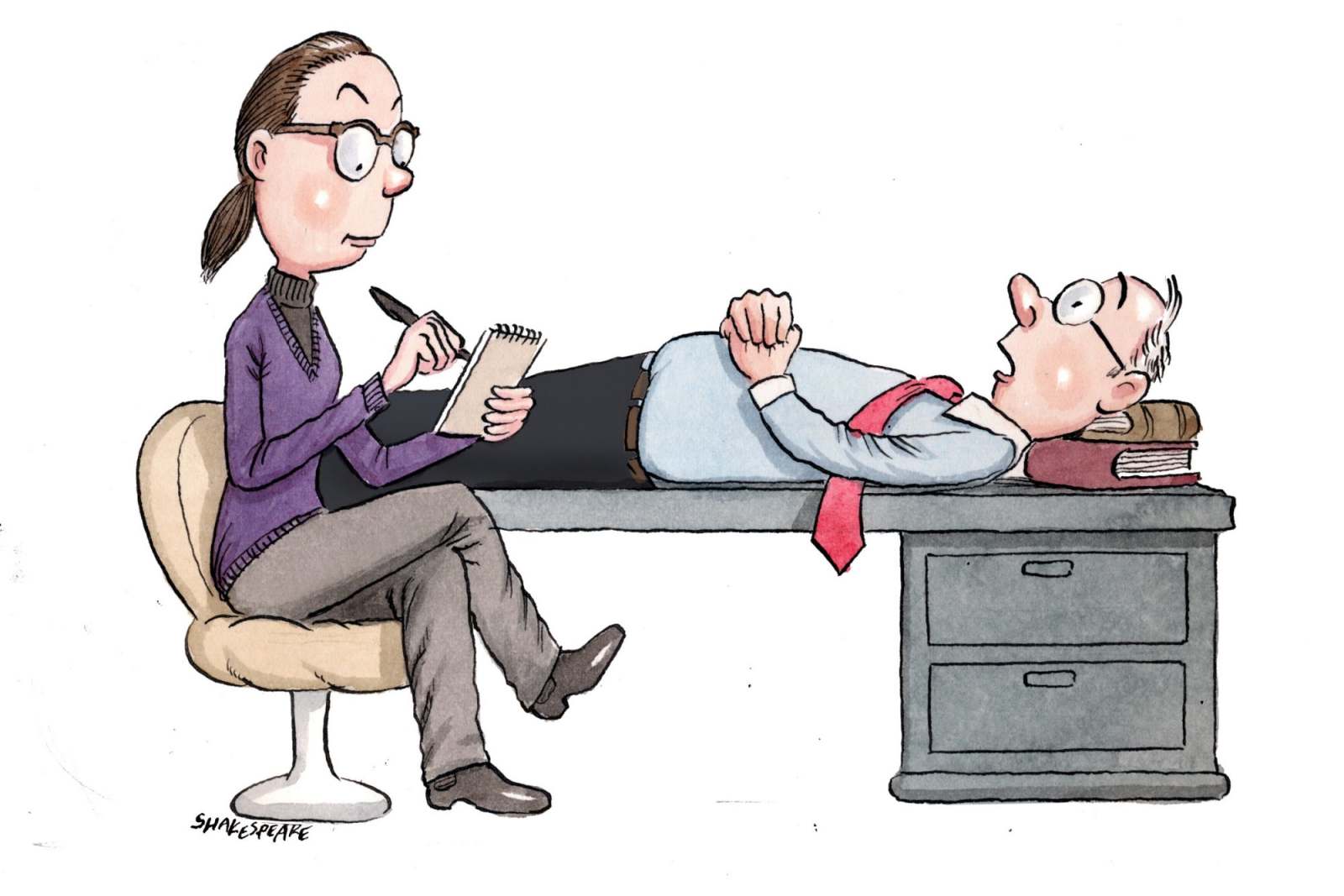
Illustration: John Shakespeare Credit:
Answer: One way of categorising language is by dividing it into sentence types. There are four: a declarative sentence makes a statement, an interrogative seeks an answer, an exclamatory expresses surprise and an imperative gives a command.
But not everything fits neatly into crisp boxes in English (or any language I suspect) and so it is with sentences.
Take “ARE YOU SERIOUS?!” for example. Interrogative or exclamatory? It can be both - there’s such a thing as an exclamatory question. It could also be a rhetorical question if we assume the person yelling “Are you serious?!” isn’t genuinely looking for an answer but instead making a (forceful) point.
And this brings us to declarative questions. A declarative question seeks an answer but takes the form of a statement. Now, I’ve been writing a column on these pages every week for almost a decade and I cannot believe this is the first time I’m doing this, but I’m going to mention Sooty.
If you grew up watching The Sooty Show, as I did, you’ll know exactly what a declarative question sounds like. Part of Sooty’s charm was that he never talked to the audience - instead he whispered to Matthew (or, if you’re a bit older than me, to Harry). Matthew often used a declarative question to pass on what Sooty was saying to us, the viewers - “You want me to give you back your water pistol?” Sooty might nod enthusiastically (a declarative question isn’t a rhetorical question) and hilarity would ensue.
Now, I should explain that I’m not trying to embarrass you here by telling you a children’s show that began in the 1950s included examples of assertions that are also questions. When you’re talking about “pronouncements which end with a question mark”, I suspect you’re not talking about a sentence like “He’s cancelling your membership?” or “And you have a problem with that?” or “You think I should check the cream pie more closely, Sooty?” I reckon you’re talking about something more like this: “If we continue on this financial path we can’t possibly meet our targets for the second quarter?”
I’ve noticed the same kind of thing - and like you, only recently.