


 Add Category
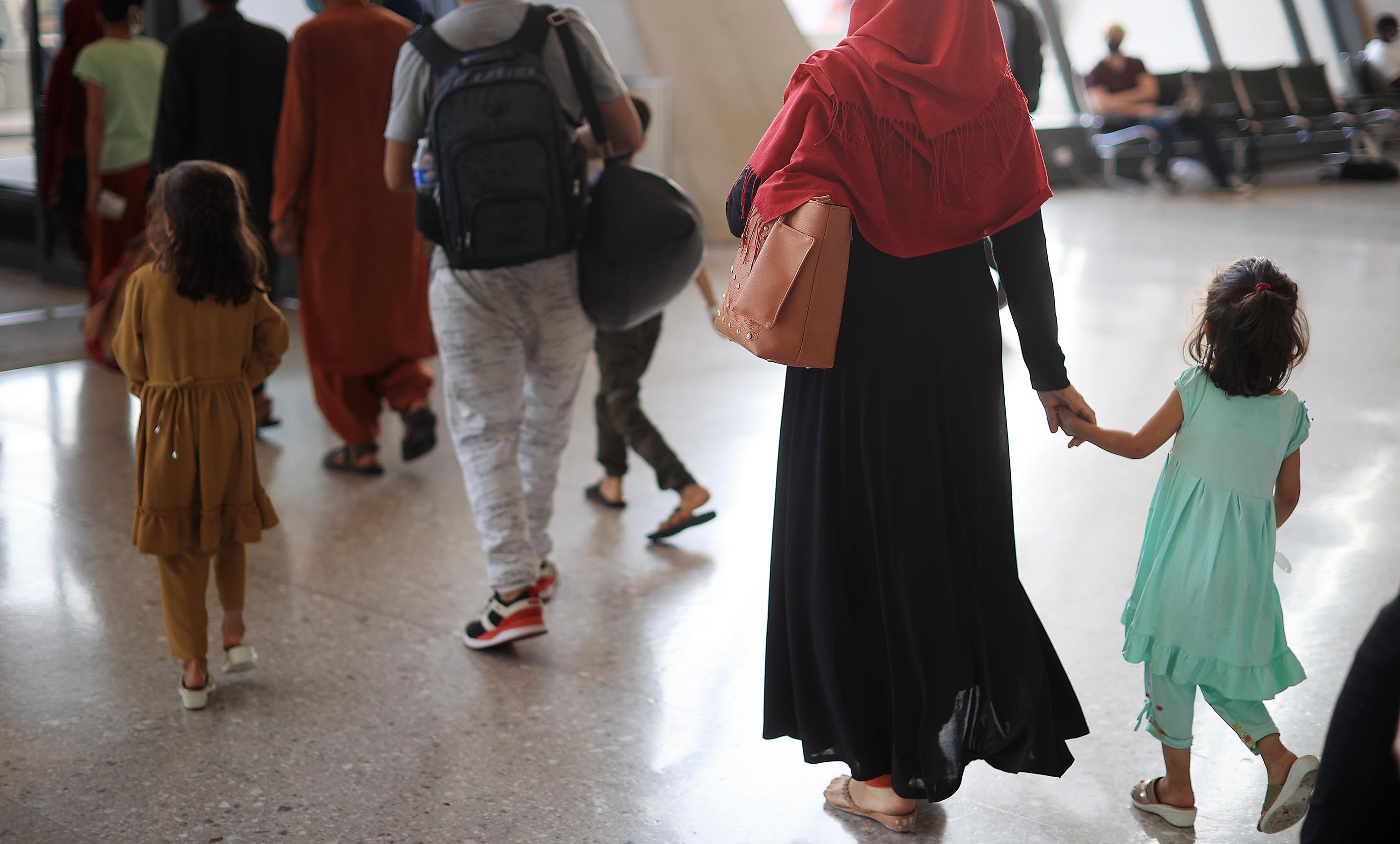
More than 122,000 people have been evacuated from Afghanistan, all with varying legal statuses and needs, as many of them arrive in the United States.
The US is relying on third countries, like Kuwait and Qatar, as a temporary stop before Afghans fly to the US. A series of military bases in the US is being used to house evacuees while they are processed.
The Pentagon has said those bases will include: Marine Corps Base Quantico, Virginia; Fort Pickett, Virginia; Holloman Air Force Base, New Mexico; Fort Lee, Virginia; Fort Bliss, Texas; Joint Base McGuire-Dix-Lakehurst, New Jersey; and Fort McCoy, Wisconsin.
The focus is now shifting on to those landing in the US and what assistance will be provided to those who left with little to no belongings after a frenzied evacuation effort.
The legal status of Afghans arriving in the US is a mixed bag. Some are US citizens and green card holders. Others have been granted visas or other forms of humanitarian relief. Most notable is the special immigrant visa, or SIV, which is meant to provide a pathway to the United States for Afghans who were employed by, or worked on behalf of, the US government.
There is a lengthy multi-step process for SIV applicants to apply for visas to the US. The process — which also includes extensive vetting — can take months, if not years, due to a massive backlog.
In early August, the Biden administration announced it would also expand access to the refugee program for Afghans who do not qualify for SIVs.
And then there are those without visas. In a move to accommodate them, US Customs and Border Protection, the agency responsible for screening arriving Afghans, has the authority to grant parole on a case-by-case basis.
The US has previously used parole during evacuations, including during the US military withdrawal from Vietnam.
Afghans paroled into the US could be interpreters who worked alongside US troops and are still going through the special immigrant visa process, or people who could've been eligible to come in through the traditional refugee resettlement program if not for the emergency nature of the evacuation and lengthy time it takes to get approvals, refugee advocates say.
The benefits Afghans receive once they arrive in the US also varies. Refugees and special immigrant visa holders have access to a range of short and long-term services to get up on their feet, from help with housing and employment to cash and medical assistance.
But parole, while providing some reprieve, doesn't unlock services that refugees receive, raising concern among refugee advocates. They argue the lack of resources could leave thousands of Afghans in the US vulnerable in the coming months.
Read more here about Afghans arriving in the US here.